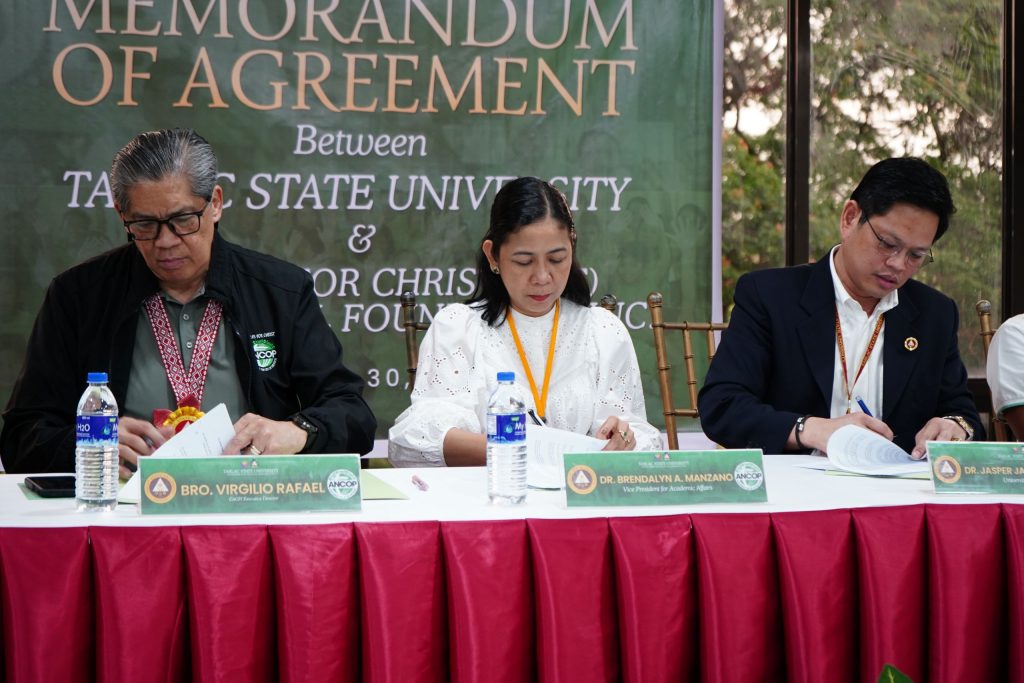
TARLAC CITY — Access to free college education does not always mean students can afford to stay in school. For 25 students at Tarlac State University (TSU), including several Indigenous Peoples (IP) students, CFC ANCOP is stepping in to help bridge that gap.
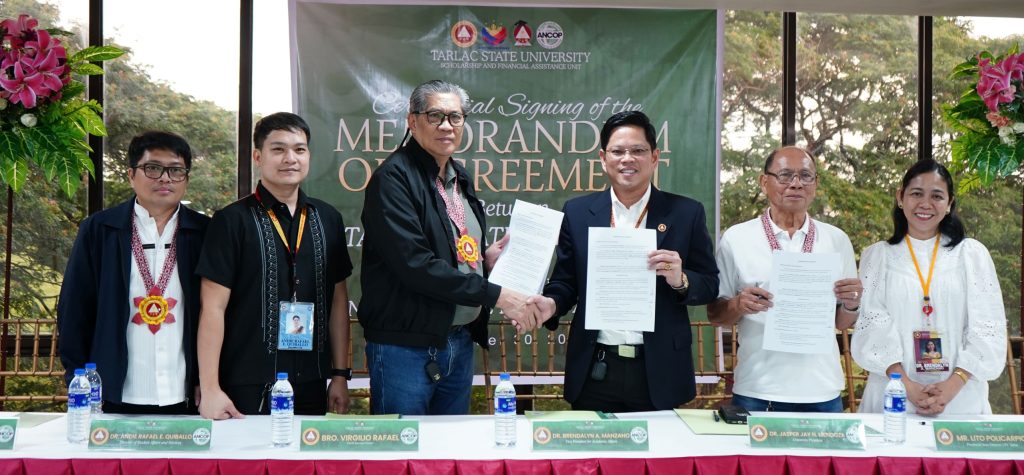
Through a Memorandum of Agreement (MOA) signed on October 30, CFC ANCOP committed to providing educational assistance to 25 TSU college students, helping ease the financial burden of pursuing higher education.
“Most of our students need scholarship grants. Free tuition isn’t enough. They need help for their everyday needs. This is the reason our students stop schooling… Our students are the poorest of the poor,” shared TSU President Dr. Jasper Jay Mendoza during the MOA signing ceremony.
The challenges of Tarlac’s indigenous students
According to TSU research, 90% of its student population comes from households earning between ₱10,000 and ₱20,000 a month.
Among them are indigenous students from Tarlac’s upland communities, many of whom face additional challenges in accessing higher education.
Dr. Mendoza noted that some IP students travel from far-flung communities just to attend their classes.
“They walk 20 kilometers down the hill just to attend their classes. [IPs struggle with] distance, financial [concerns], bullying,” he added.
Despite the government’s free tuition program under Republic Act No. 10931, or the Universal Access to Quality Tertiary Education Act, many students continue to struggle with transportation, food, and other daily expenses.
This makes Tarlac’s first school partnership a milestone not only for CFC ANCOP but also for TSU.
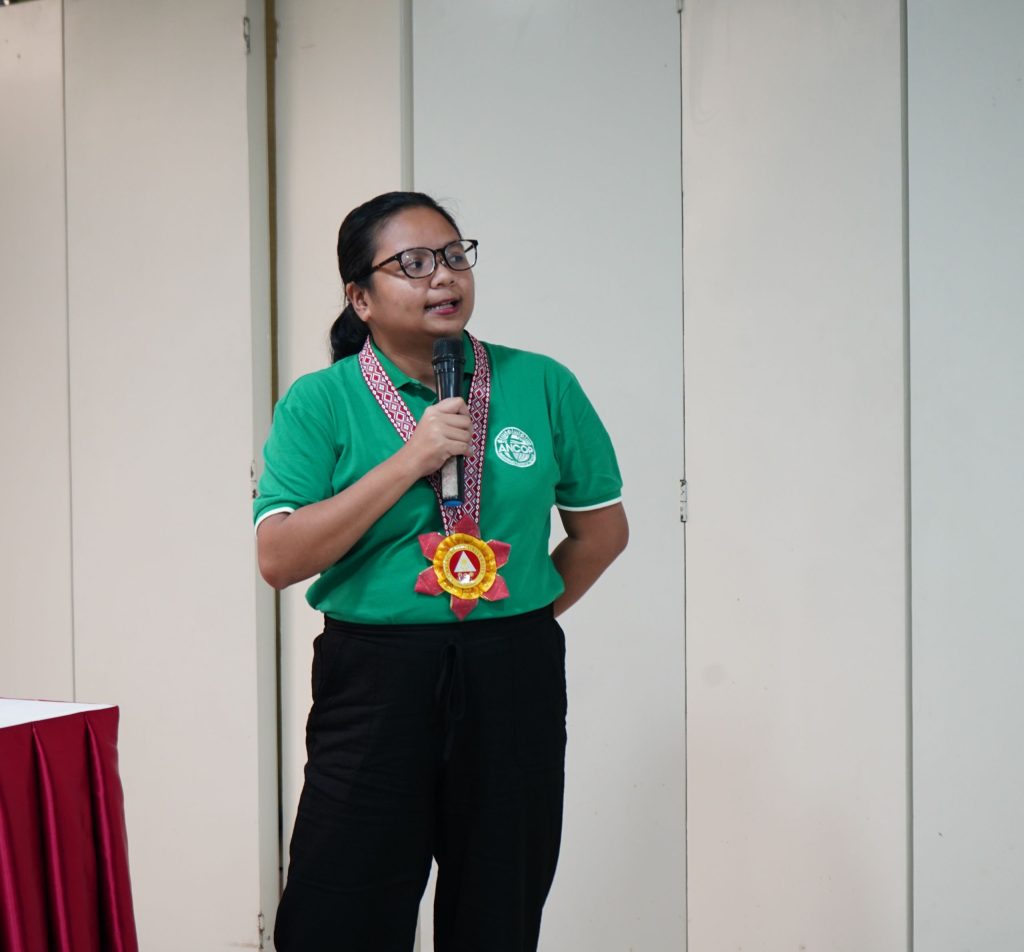
CFC ANCOP to provide educational assistance to 25 TSU students
Under the partnership, each sponsored student will receive an educational assistance package worth Php 30,000 annually. The assistance will help cover essential school-related expenses, particularly transportation and food.
“We are very much delighted to welcome you and to hear from you. Kaya malaki pong tulong po ‘yan sa aming mga estudyante (This is a big help for our students),” Dr. Mendoza said.
For CFC ANCOP, the partnership also marks an important step in expanding its educational outreach to public higher education institutions.
In his inspirational message, CFC ANCOP Executive Director Boyet Rafael expressed his gratitude to TSU for being the first state university to respond to the organization’s invitation to collaborate.
“You are the first state university that answered us. That’s why we met you right away to formalize our partnership. It is us in ANCOP who are blessed,” he said.
Rafael also shared his hope for the country’s future, particularly the role young Filipinos can play in nation-building.
“May pag-asa pa pala ang Pilipinas (There’s still hope for the Philippines). We are still hoping and praying that someday our young people will change our nation,” he said.
Beyond college scholarships: Future opportunities for collaboration
The CFC ANCOP-TSU partnership is also the organization’s first school partnership in Tarlac.
However, the collaboration may extend beyond educational assistance.
During the MOA signing, Dr. Mendoza expressed interest in exploring future partnerships with CFC ANCOP in health initiatives and technical-vocational skills training.
These potential areas of collaboration could open more opportunities for students and communities, particularly those with limited access to education, skills development, and essential services.
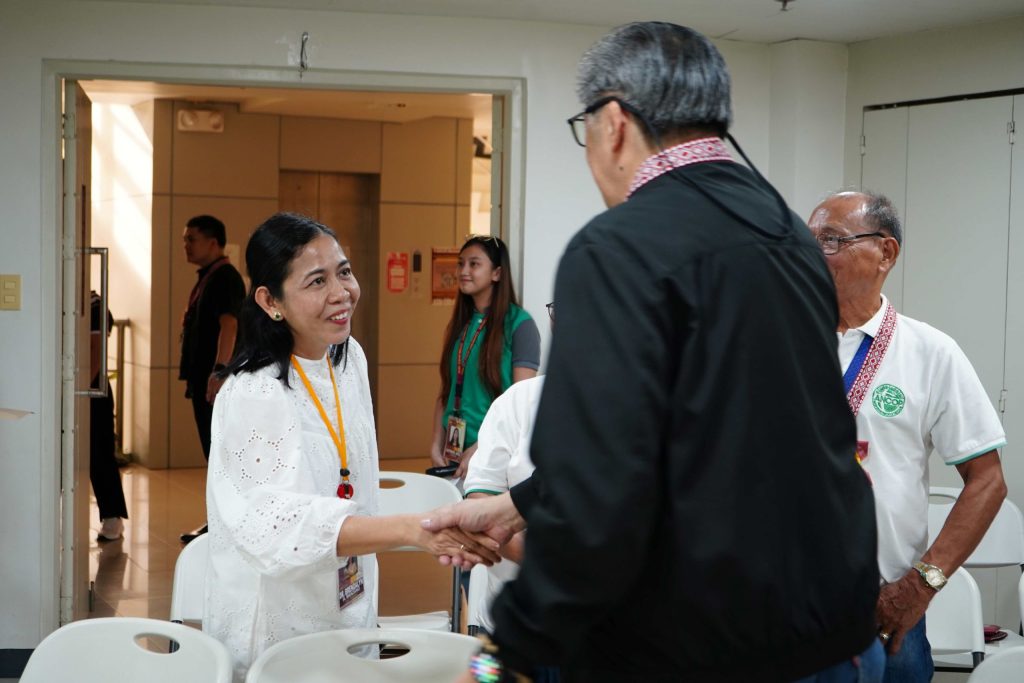
The MOA signing was attended by the following TSU and CFC ANCOP representatives:
- Allan Santos, Head, Scholarship and Financial Assistance Unit
- Dr. Andie Rafael Quiballo, Director, Student Affairs and Services
- Dr. Brendalyn Manzano, Vice President for Academic Affairs
- Lito Policarpio, Tarlac Provincial Area Director
- Felipe Corpuz, Tarlac ANCOP Head
- Julia Concha, RSW, Field Coordinator-in-Charge
- Vida Cuares, CFC ANCOP Education Head
- Christine Pichay, CFC ANCOP Field Operations Department Head
Through partnerships like this, CFC ANCOP continues to work toward making education more accessible to underprivileged Filipino students—helping ensure that financial difficulties do not stand in the way of their dreams.